

Jongmyo Shrine: a Sanctuary of Traditions and Rituals


Shrines hold a deep cultural and spiritual significance, serving as sacred sites dedicated to honoring ancestors, deities, and historical figures. These sites are an integral part of Korea's rich heritage, reflecting the nation's religious traditions, artistic craftsmanship, and reverence for tradition. From grand ancestral memorials to smaller local shrines, they offer a glimpse into Korea's spiritual life and its enduring respect for the past. Exploring these shrines reveals not only their religious importance but also their role in fostering community and cultural identity throughout Korean history.
Enhancing Your Cultural Experience at Jongmyo Shrine

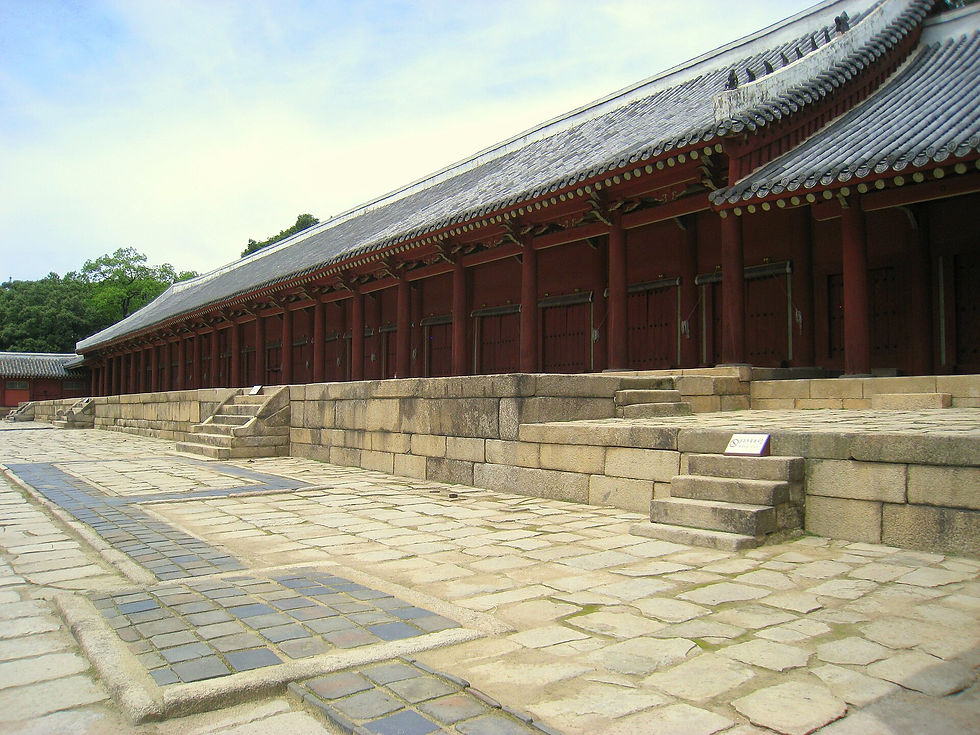
Settled at 157 Jong-ro, Jongno-gu, Seoul,Jongmyo is the oldest and most authentic remaining example of Confucian royal shrines in Korea. It is dedicated to the ancestors of the Joseon dynasty (1392-1910), and its current structure has been preserved since the 16th century. The shrine contains tablets inscribed with the words and teachings of past royal family members. Ritual ceremonies involving music, singing, and dancing continue to be performed at Jongmyo, maintaining a tradition that dates back to the 14th century. It was constructed between December 1394 and September 1395 shortly after the founding of the Joseon Dynasty.
Jongmyo shrine is consisted of two royal memorial halls, Jeongjeon and Yeongnyeongjeon. After several expansions to accommodate the spirit chambers of successive kings and queens, Jeongjeon, the main hall, now has 19 spirit chambers holding 49 spirit tablets, while Yeongnyeongjeon, the Hall of Eternal Peace, contains 16 spirit chambers with 34 spirit tablets.

Most popular experience at the Jongmyo Shrine are the timeless traditions of ancestral worship named Jongmyo Jerye rituals, which include ceremonial music and dance performances that have been carefully preserved and documented in the royal protocols of the Joseon Dynasty.

The shrine has open doors for everyone starting 09:00 all year, closes 17:30-18:30 depending on the time of year.
On weekdays (except Tuesday), visitors must join a scheduled guided tour that lasts about an hour which could give more insight about the shrine’s history. Viewing buildings from the outside offers a listening and learning experience rather than interior exploration, which may feel rigid if you dislike structured tours. But one can also choose an audio tour and enjoy exploring at your own pace. Guided tours in foreign languages (Chinese, Japanese, and others) for foreigners and Koreans accompanying foreigners at 10:00, 12:00, 14:00, and 16:00
Moreover, the admission fee is included in the palace combination ticket costs 10,000 won for adults, covering four palaces (Gyeongbokgung, Changdeokgung, Changgyeonggung, Deoksugung) that can be purchased if you plan to visit the palaces as well.
To get there, start at Jongno 3-ga Station, which is served by lines 1, 3, and 5. Exit the station through exits 8 to 11, then simply enjoy a 5-minute walk to your destination. Parking costs 400 won for every five minutes.
Exploring Jongmyo Shrine offers a unique glimpse into Korea's rich cultural heritage, from its historic rituals to engaging activities. Whether you're there to observe traditional ceremonies or simply soak in the serene atmosphere, there's always something meaningful to discover. As you walk away, you'll carry a deeper appreciation for the history and traditions that continue to shape this remarkable site.


Comments