

Experiencing the Vibrancy of Korean Markets

When you step into a Korean market, you enter a world full of colors, sounds, and smells. These markets are more than just places to shop. They are lively hubs where culture, food, and daily life come together. I have explored many markets across South Korea, and each visit offers something unique. Whether you want to taste street food, buy fresh produce, or find traditional crafts, Korean markets have it all.
Exploring Vibrant Korean Markets
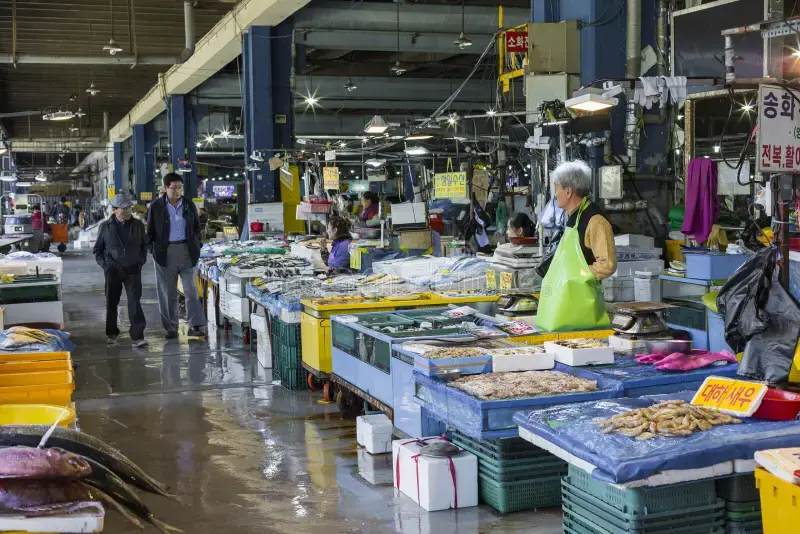
Korean markets are known for their energy and variety. You will find everything from fresh seafood to handmade souvenirs. The atmosphere is often bustling, with vendors calling out to customers and the aroma of grilled meats filling the air. Markets like Gwangjang Market in Seoul or Jagalchi Market in Busan are famous for their lively scenes and authentic experiences.
When you visit these markets, take your time to walk through the narrow alleys. You can see locals shopping for daily needs and tourists discovering new flavors. Many stalls offer samples, so you can try before you buy. This makes the experience interactive and fun.
Here are some tips to enjoy vibrant Korean markets:
Bring cash: Many vendors prefer cash over cards.
Try street food: Popular items include tteokbokki (spicy rice cakes), hotteok (sweet pancakes), and fresh seafood.
Learn basic Korean phrases: Simple greetings or numbers can help you communicate.
Visit early or late: Early mornings offer fresh produce, while evenings are great for food stalls.

What Makes Korean Markets Special
Korean markets stand out because they combine tradition with everyday life. Many markets have been around for decades, preserving old customs and recipes. At the same time, they adapt to modern tastes and trends. This blend creates a unique shopping and dining environment.
One special feature is the variety of food. You can find raw ingredients, ready-to-eat meals, and snacks all in one place. Seafood markets often have live fish tanks where you can pick your meal, and vendors will prepare it fresh for you. This freshness is hard to find elsewhere.
Markets also offer handmade goods like pottery, textiles, and traditional clothing. These items make great souvenirs and support local artisans. You can watch craftsmen at work or even try your hand at some crafts during special market events.
If you want to dive deeper into the korean market experience, this link provides practical tips and insights to help you navigate these vibrant spaces with ease.

Navigating Korean Markets Like a Pro
To get the most out of your visit, it helps to know how Korean markets work. Here are some practical steps:
Plan your visit: Check market hours and days. Some markets close on certain weekdays.
Dress comfortably: Wear shoes suitable for walking and bring a reusable bag.
Observe before buying: Watch how vendors package items and ask about prices.
Bargain politely: Haggling is common but keep it friendly and respectful.
Try local specialties: Each market has its own famous dishes or products.
Markets can be crowded, so stay aware of your belongings. If you are unsure about something, don’t hesitate to ask vendors or nearby shoppers. Most people are friendly and willing to help.
Many markets also have small eateries or food courts. These are perfect for a quick meal or a break. You can enjoy dishes like bibimbap, kimchi pancakes, or grilled fish while soaking in the market’s lively vibe.

Seasonal Changes in Korean Markets
Korean markets change with the seasons, offering different products and experiences throughout the year. Spring brings fresh vegetables and flowers. Summer markets are full of fruits like peaches and watermelons. Autumn is harvest time with nuts and mushrooms, while winter markets offer hearty soups and dried goods.
Seasonal festivals often take place in or near markets. These events showcase traditional music, dance, and food. Visiting during a festival adds another layer of excitement to your trip.
If you want to experience Korean culture fully, plan your visit around these seasonal highlights. You will see how markets reflect the rhythms of Korean life and nature.
Making the Most of Your Visit
To enjoy Korean markets fully, keep an open mind and a curious spirit. Try new foods, talk to vendors, and explore every corner. Markets are not just about shopping; they are about connecting with a culture and its people.
If you are living in Korea or planning a longer stay, visiting markets regularly can help you understand local life better. You will find fresh ingredients for cooking and discover new tastes. Plus, you support small businesses and local farmers.
For tourists, markets offer a chance to bring home unique souvenirs and gifts. Look for handmade crafts, traditional snacks, or specialty teas. These items carry stories and memories of your visit.
Visiting Korean markets is a rewarding experience that combines shopping, eating, and cultural discovery. Whether you are a first-timer or a seasoned traveler, these markets always have something new to offer.
Market | Location / Address | Highlights |
Gwangjang Market | Jongno-gu, 88 Changgyeonggung-ro | Street food, hanboks, vintage |
Tongin Market | Jongno-gu, 18 Jahamun-ro 15-gil | Lunchbox cafe, local eats |
Namdaemun Market | Jung-gu, near Hoehyeon Station | Huge variety of goods & souvenirs |
Dongmyo Flea Market | Jongno-gu, near Dongmyo Station | Vintage, retro bargains |
Hwanghak-dong Flea Market | Jung-gu, near Cheonggyecheon | Used goods, electronics, quirky finds |
Garak Market | Songpa-gu, Garak Market Station | Fresh produce, seafood |
Yongsan Electronics Market | Yongsan Station (Line 1) | Electronics and components at competitive prices |
Yangnyeong Herbal Market | Dongdaemun-gu, Yangnyeongjungang-ro 8-gil | Traditional herbs and medicine |
Exploring Korean markets is a journey into the heart of South Korea’s daily life. The sights, sounds, and flavors create a vibrant atmosphere that stays with you long after you leave. Take your time, enjoy the variety, and embrace the energy of these lively places. Your adventure in Korean markets will be one of the most memorable parts of your trip or stay.

Comments