

The Healer's Village
Before the first modern pharmacy opened its doors, Oriental traditional medicine, often known as Chinese medicine, had already been quietly healing communities for thousands of years, its roots stretching deep into ancient soil. This wasn't merely a collection of remedies; it was a complete philosophy built on balance: the delicate harmony between body, mind, spirit, and nature. Instead of chasing isolated symptoms, it saw the human being as a living whole, striving to restore the natural flow of vital energy called "Qi." From a cup of bitter herbs to an acupuncture needle's gentle touch, this ancient wisdom reminds us that while our ancestors' recipes may have looked different across cultures, they all led to the same wonderful result: healing, powered by nature itself.
Centuries before the arrival of modern clinics, the Korean peninsula cultivated its own branch of "grandma's remedy", a healing tradition deeply rooted in the same ancient soil as Chinese medicine, yet grown with uniquely Korean leaves and flowers. Drawing from the foundational texts of Chinese traditional medicine, such as yin-yang and the five elements, Korean healers adapted these principles to their own land, swapping exotic herbs for native mugwort and garlic, and emphasizing a balance of inner heat and cold that matched the local temperament and climate. From the royal physicians of the Joseon dynasty who recorded treatments in the Dongui Bogam, to a grandmother brewing a decoction of jujube and ginger for a sudden chill, this wisdom proves that while the roots may be shared between China and Korea, the remedies, and the warm, familiar hands that prepare them, are deeply, beautifully local.
Mats for moxibustion Moxe Preparing the moxe
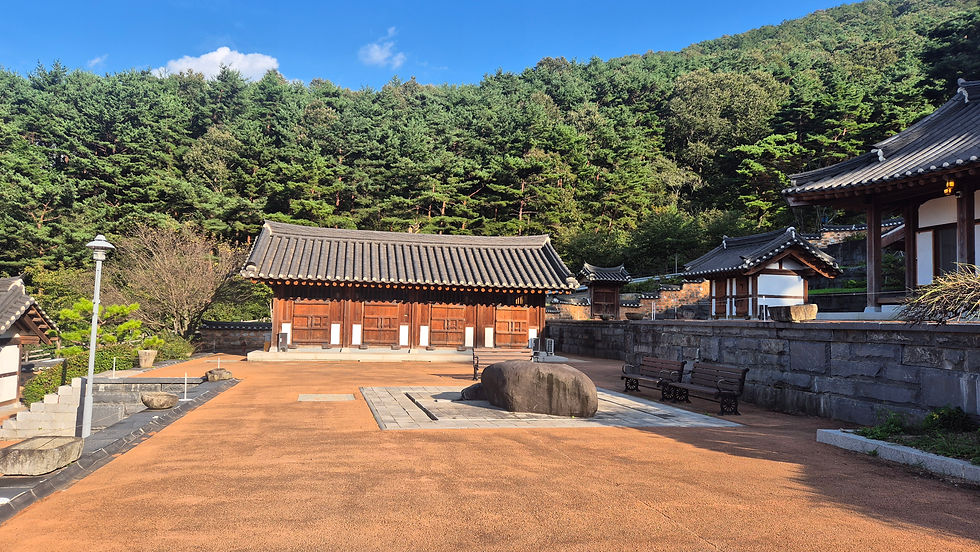
I carried my own little treasury of family remedies with me when I moved to Korea, but from the moment I arrived, I felt a quiet pull to learn more about the local herbs and natural healing methods of this land. So when the opportunity came to visit Donguibogam Village in Sancheong and deepen my understanding of Oriental medicine, I couldn't have been happier. The village honors the legacy of Heo Jun, a legendary physician of the Joseon Dynasty who, in the early 17th century, penned the Donguibogam, or The Mirror of Eastern Medicine. This monumental book gathered centuries of medical knowledge, herbal recipes, and healing wisdom, bringing traditional medicine out of the scholars' private chambers and into the hands of ordinary people. Today, Sancheong Donguibogam Village stands in his birthplace, nestled in the serene mountains of Jiri, a region famous for its wild medicinal herbs. Here, traditional medical halls, fragrant herbal gardens, and healing experience zones invite visitors to craft their own herbal concoctions, try moxibustion or a warming foot bath, and steep themselves in Korea's living wellness heritage.
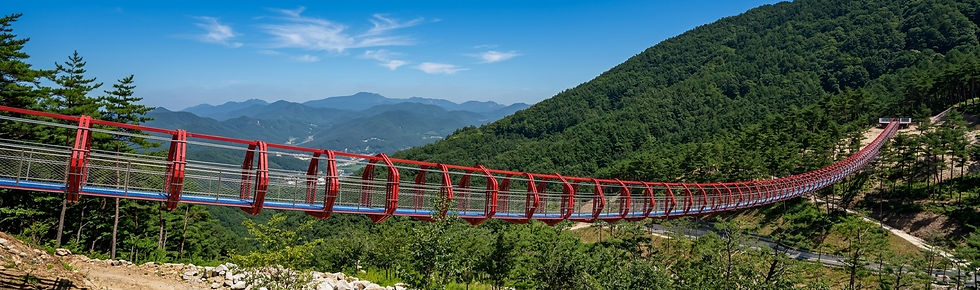
Donguibogam Village is more than just a beautiful spot in Sancheong, it's Korea's very first Oriental medicine-themed wellness destination and one of the country's most unique health tourism attractions. The Wellness Health Tour offered here holds a remarkable honor: it's the first wellness health tour program in the nation to receive international certification from Germany, Korea, and Japan. Once you arrive, you can dive deep into the world of traditional Korean medicine through hands-on experiences like crafting Gongjindan, a medicinal pill made from antler, angelica, honey, Cornus officinalis, and agarwood; trying moxibustion to gently raise your body temperature, boost immunity, and flush out toxins; inhaling aromatic oils extracted from local herbs; and soaking in an Oriental medicine foot bath to help circulate qi, ease fatigue, and improve blood flow. The surrounding forest and healing park add to the quiet calm, offering a perfect blend of education, relaxation, and nature therapy. Don't miss the stunning Mureunggyo Bridge, a favorite photo spot, where you can drink in breathtaking views of Mureung Valley, Wangsan, and Pilbongsan. Standing there with the sound of the flowing valley below, you can truly feel the peaceful energy that defines Donguibogam Village. And as a little bonus for drama lovers, this very bridge has appeared in Jirisan and See You in My 19th Life, making it a charmingly familiar tourist attraction as well.
Gongjindan Making Gongjindan Rolling Gongjindan
During my visit, I joined the Wellness Health Tour, a beautiful blend of healing, learning, and nature. We stretched our bodies, tested our balance and locomotive skills, then softened into meditation and slow, conscious breathing. One of the highlights was the hands-on Gongjindan experience, where I got to make my own herbal remedy, mixing natural ingredients just like a traditional Korean healer. It was surprisingly fun and calming all at once, and I confess, I loved the taste of the finished pill. I also tried moxibustion therapy, a gentle heat treatment that helps improve circulation and restore the flow of energy. Feeling the warmth spread quietly through my body was incredibly soothing, a truly unique wellness moment.
Nature Food Pavilion
From herbal remedies and traditional therapies to wholesome food and peaceful scenery, Donguibogam Village is more than just a destination, it's a full wellness journey for both body and mind. Leaving this healer's village, you carry away more than souvenirs or new knowledge. You carry a feeling. It's that quiet realization that true wellness isn't about rushing toward a cure, but about gently returning to balance. The village doesn't simply introduce you to the wisdom of Korean traditional medicine; it reminds you to slow down, to listen to your body, and to find healing in the harmony between yourself and nature.


Comments