

Fascinating Korean Traditions You Won't Find in Most Countries


When people think about Korean culture, they often picture K-pop, K-dramas, or delicious Korean food. But behind modern Korea lies a rich collection of traditions that continue to shape everyday life.
Many of these customs celebrate life's biggest milestones, from welcoming a newborn into the world to honoring ancestors long after they've passed away. While some traditions have evolved over time, they remain an important part of Korean culture today.
Here are some of the most meaningful Korean traditions you should know.

1. Baek-il (백일): Celebrating a Baby's First 100 Days
Long before modern medicine, infant survival was far less certain. Reaching 100 days was considered a major blessing, so families gathered to celebrate the baby's health and pray for a long life.
Today, many families still hold Baek-il parties with relatives, traditional rice cakes, and photos to commemorate this important milestone.

2. Doljanchi (돌잔치): Korea's Famous First Birthday
A baby's first birthday is one of Korea's biggest family celebrations.
The highlight is the Doljabi ceremony, where the child chooses one object from a table filled with symbolic items. Koreans believe the first object the baby picks may hint at their future.
Some popular Doljabi items include:
Money: Wealth
Books: Academic success
Thread: A long life
Microphone: Entertainer
Stethoscope: Doctor
Ball: Athlete
Paintbrush: Artist
Modern families often add laptops, cameras, passports, or even game controllers to reflect today's careers.

3. Baeknyeon Hae-ro (백년해로): Wishing a Couple 100 Years Together
Although not a ceremony itself, Koreans commonly wish newlyweds Baeknyeon Hae-ro, meaning "May you live together for one hundred years."
The phrase reflects the importance of lifelong commitment and is often heard during weddings and anniversaries.

4. Pyebaek (폐백): The Traditional Korean Wedding Ceremony
After the modern wedding ceremony, many couples change into hanbok for Pyebaek, a private ceremony with the groom's family.
The bride performs deep bows to her new parents-in-law, who then offer advice and blessings for the marriage.
One of the most memorable moments is when parents toss chestnuts and dates toward the bride, symbolizing hopes for many healthy children and a prosperous family.

5. Wooden Wedding Geese (기러기)
Traditional wooden geese are one of the most recognizable Korean wedding symbols.
Since geese were believed to stay loyal to one partner for life, they came to represent lifelong faithfulness and devotion.
Many Korean couples still receive decorative wooden geese as part of their wedding traditions.

6. Hwangap (환갑): Celebrating 60 Years of Life
Turning 60 is especially meaningful because it marks the completion of one full cycle of the traditional East Asian zodiac calendar.
In the past, reaching 60 was considered a remarkable achievement, and families hosted large banquets to honor parents and grandparents.
Although people live much longer today, Hwangap remains an important family celebration.

7. Gohui (고희): Celebrating 70 Years
Many Korean families also celebrate a person's 70th birthday, known as Gohui.
The tradition has become increasingly popular as life expectancy has risen, offering another opportunity for families to come together and celebrate their elders.

8.Palsoon (팔순): The 80th Birthday Celebration
Another milestone birthday is Palsoon, celebrating an 80th birthday.
Children and grandchildren gather to honor their elders with special meals, speeches, and family reunions, expressing gratitude for their wisdom and long life.
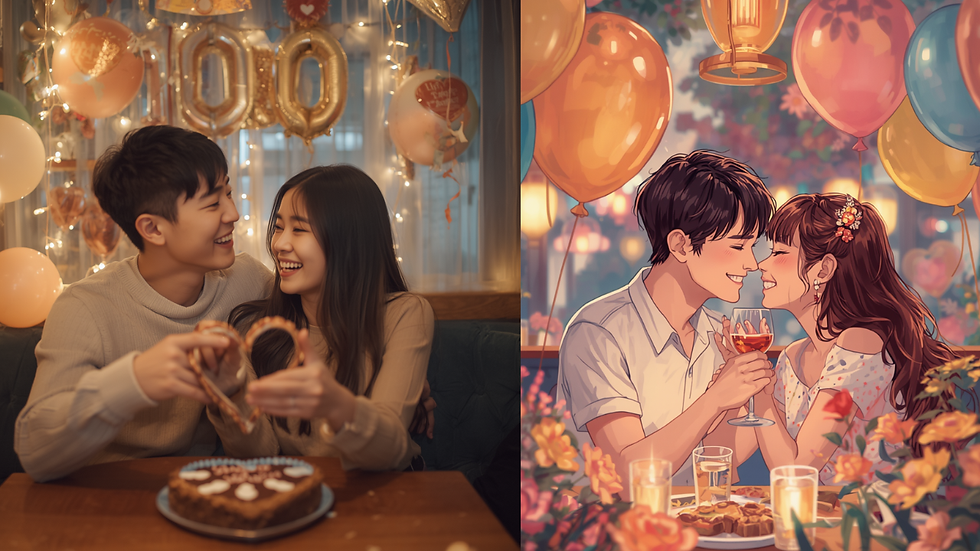
9. Celebrating 100 Days of Dating
While many countries celebrate monthly anniversaries, Korean couples often place special importance on every 100 days together.
The first 100-day anniversary is often celebrated with flowers, matching outfits, gifts, romantic dinners, or weekend trips.
Even long-term couples may continue celebrating every 100 days alongside yearly anniversaries.

10. Jesa (제사): Honoring Ancestors
Respect for ancestors remains one of Korea's deepest traditions.
During Jesa, families carefully prepare a table filled with symbolic foods to honor deceased relatives. Family members bow, offer food, and remember previous generations.
Many households perform Jesa on death anniversaries, while others include ancestral ceremonies during major holidays such as Seollal or Chuseok.

11. Birthday Seaweed Soup (미역국)
One Korean birthday tradition surprises many visitors.
Instead of birthday cake alone, Koreans almost always eat Miyeok-guk, or seaweed soup.
The tradition comes from the fact that seaweed soup is commonly served to mothers after childbirth because of its nutritional benefits. Eating it on your birthday is a way of expressing gratitude to your mother for giving you life.

12. Hoegap (회갑) Family Gatherings
Although often used interchangeably with Hwangap, Hoegap refers more specifically to the family banquet held for someone's 60th birthday.
Multiple generations gather for speeches, gifts, and a large traditional meal, reinforcing the importance of family bonds.
Despite Korea's rapid modernization, these traditions continue to connect generations.
They celebrate life's happiest moments, strengthen family relationships, honor elders, and preserve cultural values that have been passed down for centuries.
Whether it's a baby's first 100 days, a wedding blessing, or remembering ancestors, these customs remind us that Korean culture places family and respect at the heart of everyday life.


Wordle Game has inspired additional innovative ideas in addition to the basic foundation. Geographical, musical, scientific, cinematic, culinary, and even mathematical subjects may all be explored by players. Thanks to these creative modifications, Wordle is now more adaptable than before, enabling users to assess their understanding of topics they are passionate about without sacrificing the core concepts.