

Korea's Public Holidays Explained

South Korea has a rich culture with many special days marked as public holidays. These holidays reflect the country’s history, traditions, and values. If you plan to visit, live, or work in South Korea, understanding these holidays will help you navigate your schedule and enjoy local customs. I will guide you through the main public holidays in Korea, explain their significance, and share practical tips for making the most of them.
Understanding Korean Public Holidays
Korean public holidays are days when most businesses, schools, and government offices close. These holidays often involve family gatherings, traditional ceremonies, and public events. Some holidays follow the lunar calendar, so their dates change every year. Others are fixed on the solar calendar.
The holidays can be divided into three main types:
National holidays: These celebrate important historical events or figures.
Traditional holidays: These are based on Korean customs and the lunar calendar.
Modern holidays: These include days like Children’s Day and Labor Day.
Knowing these holidays helps you plan your trips, work, and social activities better. For example, public transport may be crowded, and some tourist spots might be busier or closed.

Key Korean Public Holidays You Should Know
Here are some of the most important public holidays in Korea:
New Year’s Day (January 1)
This is a global holiday celebrated in Korea as well. People often visit temples or shrines to pray for good luck in the new year. Many families gather for a special meal.
Seollal (Lunar New Year)
Seollal is one of the biggest traditional holidays. It usually falls in late January or early February. Families come together to perform ancestral rites, eat traditional food like tteokguk (rice cake soup), and play folk games. It is a time to honor ancestors and start fresh.
Independence Movement Day (March 1)
This day commemorates Korea’s declaration of independence from Japanese rule in 1919. It is a solemn holiday with ceremonies and events remembering the struggle for freedom.
Children’s Day (May 5)
Children’s Day is a joyful holiday dedicated to kids. Families often take children to parks, zoos, or amusement parks. Many stores offer special discounts and events for children.
Buddha’s Birthday (varies by lunar calendar)
This holiday celebrates the birth of Buddha. Temples are decorated with colorful lanterns, and many people visit to pray and participate in ceremonies.
Memorial Day (June 6)
Memorial Day honors soldiers and civilians who died for Korea. Flags are flown at half-mast, and ceremonies are held at national cemeteries.
Liberation Day (August 15)
This day marks Korea’s liberation from Japanese occupation in 1945. It is a national holiday with patriotic events and celebrations.
Chuseok (Korean Thanksgiving)
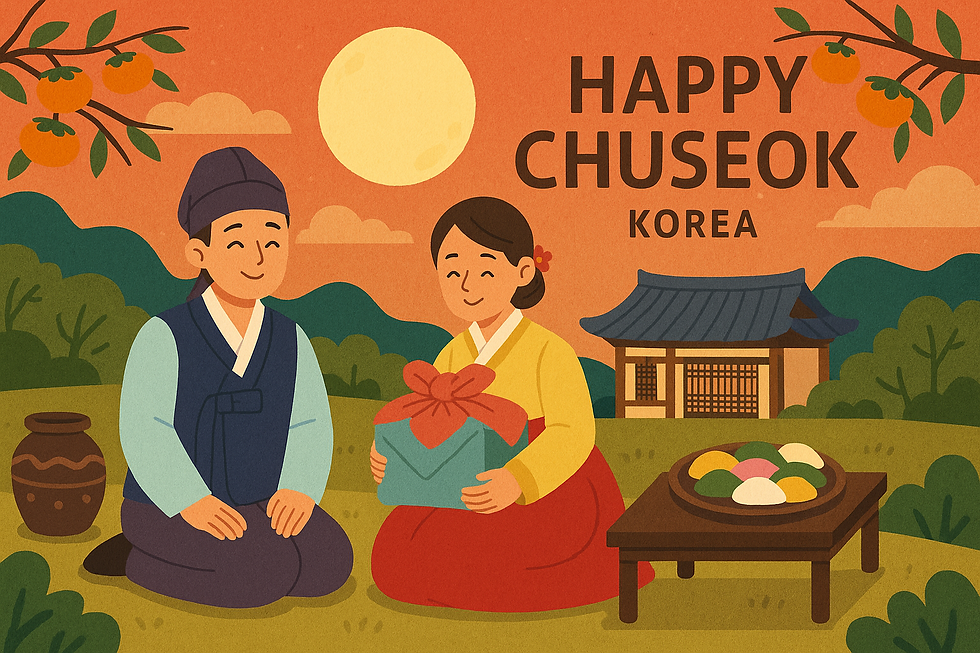
Chuseok is another major traditional holiday, usually in September or October. Families gather to pay respects to ancestors, share food, and enjoy folk games. It is a time of gratitude and reunion.
National Foundation Day (October 3)
This holiday celebrates the founding of the Korean nation by the legendary Dangun. It is marked by cultural events and ceremonies.
Hangul Day (October 9)
Hangul Day honors the creation of the Korean alphabet by King Sejong. It is a day to appreciate Korean language and culture.
Christmas Day (December 25)
Christmas is a public holiday in Korea, celebrated mostly as a secular holiday with decorations, gift-giving, and festive events.
For a full list and exact dates, you can check the public holidays korea calendar.

How many public holidays are there in Korea?
South Korea has about 16 official public holidays each year. The exact number can vary slightly depending on the lunar calendar holidays like Seollal and Chuseok. These holidays are spread throughout the year, giving you multiple chances to experience Korean culture and traditions.
Here is a quick overview:
New Year’s Day (January 1)
Seollal (Lunar New Year, 3 days)
Independence Movement Day (March 1)
Children’s Day (May 5)
Buddha’s Birthday (varies)
Memorial Day (June 6)
Liberation Day (August 15)
Chuseok (Korean Thanksgiving, 3 days)
National Foundation Day (October 3)
10. Hangul Day (October 9)
11. Christmas Day (December 25)
Some holidays like Seollal and Chuseok last for three days, including the day before and after the main holiday. This allows for extended family gatherings and travel.
Tips for Navigating Korean Public Holidays
If you are in Korea during these holidays, here are some practical tips:
Plan ahead: Many businesses close or reduce hours. Book transportation and accommodations early if you plan to travel.
Expect crowds: Tourist spots and public transport can be busy, especially during Seollal and Chuseok.
Join local events: Festivals and ceremonies offer a great chance to experience Korean culture firsthand.
Respect traditions: If you visit temples or participate in ceremonies, follow local customs and dress modestly.
Try holiday foods: Special dishes like tteokguk during Seollal or songpyeon (rice cakes) during Chuseok are must-tries.
Use official calendars: Check reliable sources like the public holidays korea calendar to confirm dates.

Why Korean Public Holidays Matter
Public holidays in Korea are more than just days off. They connect people to their history, culture, and family. These holidays show respect for ancestors, celebrate national pride, and promote social harmony.
For visitors and new residents, understanding these holidays helps you blend in and appreciate Korean life. You can join celebrations, avoid inconveniences, and make meaningful memories.
At Flip Korea, we want to help you feel confident and informed about living or traveling in South Korea. Knowing the public holidays is a key part of that journey.
Enjoy your time in Korea and make the most of its special days!


Comments