

Your Guide to Language Programs at Korean Universities

For many international learners, studying Korean goes far beyond memorizing vocabulary or watching language videos online. At some point, textbooks begin to feel limiting, and the idea of learning the language while actually living in Korea becomes increasingly appealing. This is where Korean university language programs come in.
Offered by universities across Korea, these intensive Korean language programs attract thousands of students every year, from future degree applicants and TOPIK test-takers to K-drama enthusiasts, gap-year travelers, and professionals looking for a meaningful change of pace.
But how do these programs actually work? Which university should you choose? How expensive are they? And what should you realistically expect from daily student life in Korea? Here is a practical guide to Korean language programs at Korean universities.
What is a Korean university language program?
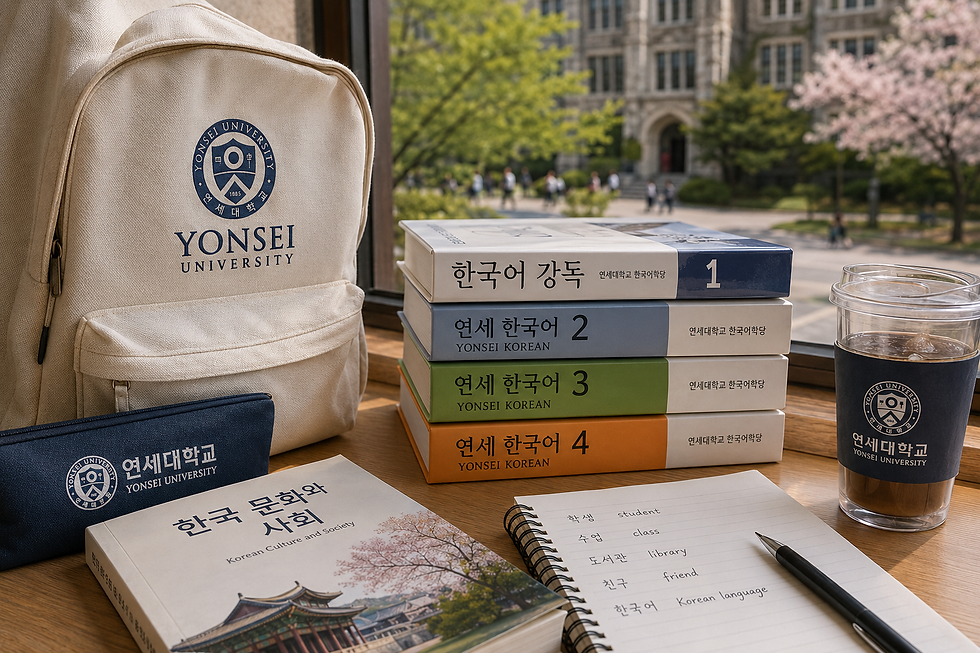
A university Korean language program is an intensive Korean course offered through a university’s Korean Language Education Center (KLEC), Korean Language Institute (KLI), or Language Education Institute. Unlike undergraduate or graduate studies, students enrolled in these programs are not degree-seeking students. Instead, they join specifically to study the Korean language.
Universities such as Yonsei University, Seoul National University (SNU), Korea University, and Sogang University operate some of Korea’s best-known language centers, welcoming students from all over the world. Classes typically focus on all four language skills - speaking, listening, reading, and writing - while also introducing grammar, vocabulary, pronunciation, and real-life communication.
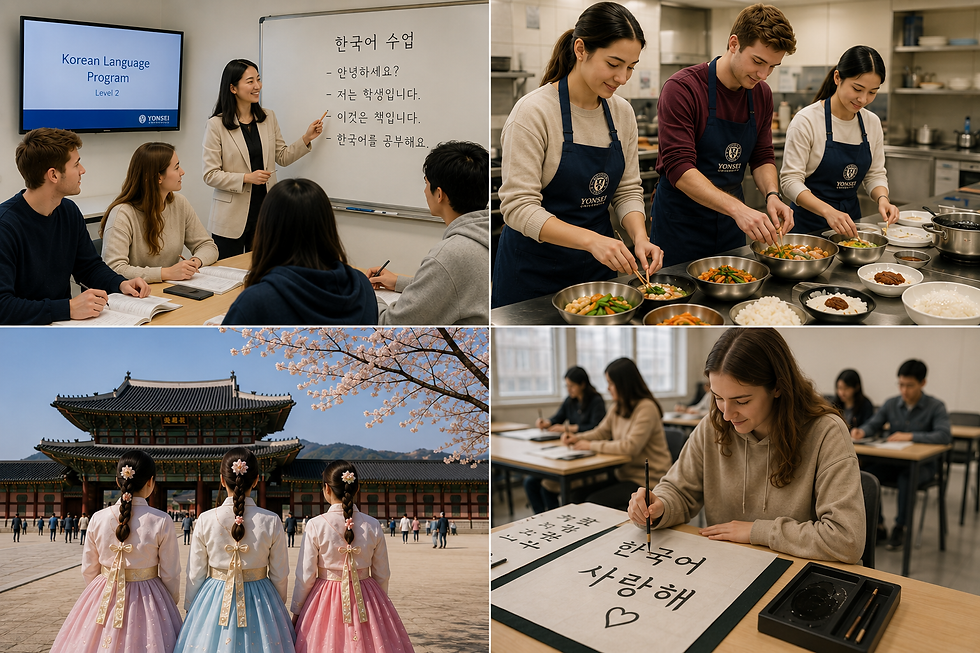
However, learning Korean in Korea often extends beyond the classroom. Many universities include cultural activities such as Korean cooking classes, traditional craft experiences, museum visits, hanbok experiences, or seasonal cultural events. Some institutions even organize field trips or pair international students with Korean mentors to help them adjust to life in Korea. For many students, these programs become an introduction to Korean daily life and culture.
Who are these programs for?
One of the biggest misconceptions about university language programs is that they are only for students planning to enter Korean universities. In reality, the student profile is much broader. Many participants enroll because they plan to pursue undergraduate or graduate studies in Korea and need stronger Korean skills or a TOPIK score before applying. Others join for professional reasons. Korean language ability can be valuable in industries connected to Korea, including trade, technology, tourism, translation, media, beauty, or entertainment.
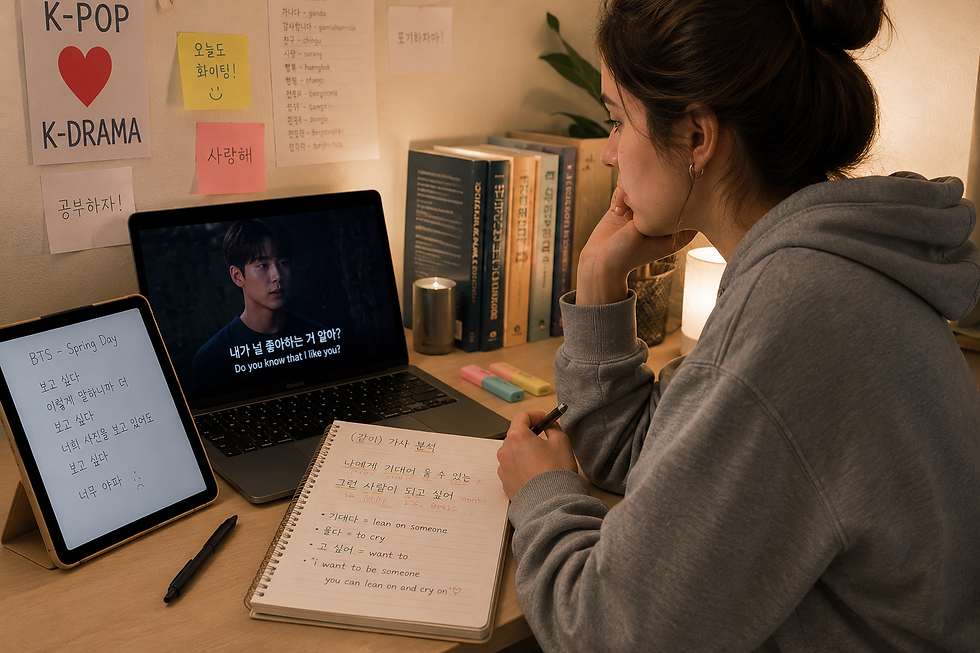
At the same time, not everyone has a long-term academic goal. Some students simply want an immersive experience after years of studying Korean online. Others take a gap year, career break, or extended trip abroad and decide to finally study the language seriously. And yes, many students first become interested because of K-pop, K-dramas, Korean cinema, or Korean culture. What often begins as curiosity eventually turns into a deeper interest in understanding the language behind everyday conversations, songs, humor, and cultural nuances.
The good news is that complete beginners are welcome. Most universities offer Level 1 classes designed for students with no prior Korean knowledge. While learning Hangeul before arrival is strongly recommended, prior fluency is not required.
How Do Classes Work?
Although each university has its own structure, most regular Korean language programs follow a very similar academic schedule. In general, universities offer four regular sessions per year: Spring (March), Summer (June), Fall (September), Winter (December). A regular semester usually lasts around 10 weeks and includes approximately 200 hours of study. At universities such as Yonsei University and Seoul National University, students typically attend class five days a week, Monday to Friday, for four hours per day.
Most students are placed into levels after taking a placement test at the beginning of the semester. Programs usually range from beginner to advanced levels, often from Level 1 to Level 6. Beginner classes focus on basic grammar, sentence structure, survival vocabulary, and daily conversation. At higher levels, students begin discussing social topics, current events, presentations, academic writing, and advanced reading materials.
Some universities also offer specialized tracks. Korea University, for example, separates General Korean from Academic Korean, helping students prepare for university life, essays, discussions, and TOPIK-related skills. Sogang University is widely known among students for emphasizing speaking and practical communication, making it particularly attractive for learners who want to improve conversational fluency.
A typical weekday can feel intense, especially for beginners. Many students describe the experience as rewarding but demanding. Since classes happen almost daily, consistency becomes unavoidable, in the best possible way. After class, students often review vocabulary at cafés, explore neighborhoods with classmates, practice Korean while ordering food, or join university cultural activities. This everyday immersion is often what accelerates language improvement.
Top Universities for Learning Korean
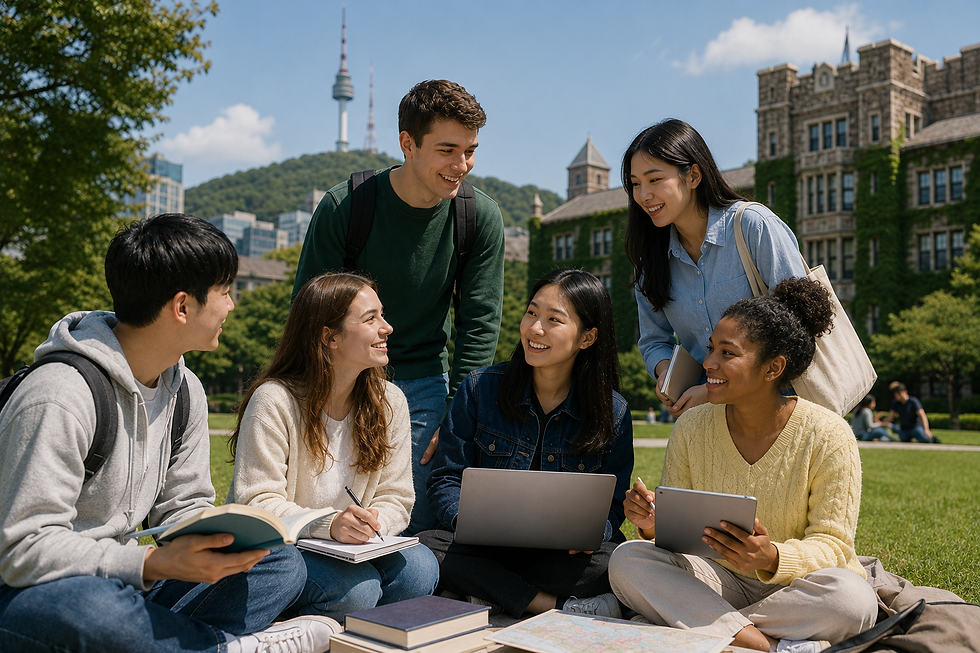
Choosing the right university is rarely about prestige alone. Some students care most about speaking fluently as quickly as possible, while others prioritize academic rigor, campus atmosphere, tuition costs, or future degree opportunities. Although dozens of Korean universities offer language programs, a few institutions consistently stand out among international learners.
Seoul National University (SNU) – Prestigious and Academically Focused
As Korea’s top national university, Seoul National University (SNU) is often associated with prestige and strong academic standards. Its Language Education Institute offers a structured Korean language curriculum designed for serious learners who prefer an academically focused environment.
Students at SNU generally describe the program as disciplined, organized, and demanding, particularly at intermediate and advanced levels. For learners considering future undergraduate or graduate studies in Korea, SNU can feel like a natural stepping stone into Korean academic culture.
The university itself is located in southern Seoul, in Gwanak-gu, offering a quieter atmosphere than central districts such as Hongdae or Myeongdong. While the campus is large and beautiful, students should keep in mind that commuting times in Seoul can sometimes be long.
SNU may be ideal for: students who enjoy structured study, learners considering future university admission in Korea, those looking for strong academic foundations, students comfortable with intensive workloads.

Yonsei University – Balanced and International
Yonsei University’s Korean Language Institute (KLI) is one of Korea’s oldest and best-known Korean language programs. Many international students are drawn to Yonsei because it offers a balance between academic quality, international atmosphere, and student life.
Located in Sinchon, one of Seoul’s most vibrant university districts, Yonsei places students in an area filled with cafés, restaurants, bookstores, and student-friendly spaces. The nearby neighborhoods of Hongdae and Ewha also contribute to a lively environment, particularly attractive for younger learners.
Academically, Yonsei offers a balanced curriculum that develops speaking, listening, writing, and reading skills together. Students who want an immersive but socially active experience often consider Yonsei a strong option.
Yonsei may be ideal for: students seeking a balanced curriculum, learners who enjoy a social student environment, future degree applicants, students who want a strong international community.

Sogang University – Best for Speaking Practice
Among Korean learners online, Sogang University is often described as one of the best choices for speaking-focused learning. Its teaching philosophy places strong emphasis on active communication rather than passive memorization. Instead of simply learning grammar rules, students are frequently encouraged to speak in Korean from the beginning.
Class participation, practical speaking activities, role-playing situations, and interaction tend to play an important role. For students who feel nervous about speaking or who have studied grammar for years but struggle to communicate naturally, Sogang’s approach can feel refreshing. Its campus is also conveniently located near Hongdae, an area known for youth culture, cafés, music, and nightlife.
Sogang may be ideal for: students prioritizing conversational Korean, learners who dislike lecture-heavy classes, those wanting confidence in speaking quickly, students who enjoy interactive learning environments.

Korea University – Structured and Goal-Oriented
Korea University is another respected institution that attracts international learners. Its Korean Language Center is often appreciated for smaller class settings and a structured curriculum.
One feature that makes Korea University stand out is its Academic Korean track, which helps students prepare for university-level life in Korea. These courses may include academic presentations, essay writing, formal discussion skills, and TOPIK preparation. For students planning to continue into degree studies, this type of preparation can feel particularly valuable.
Located in northeastern Seoul, the university offers a quieter atmosphere compared to some of Seoul’s busier districts while still remaining accessible.
Korea University may be ideal for: Students planning to pursue undergraduate or graduate studies in Korea, learners looking for a structured and academically focused curriculum, students preparing for TOPIK or academic writing, those who prefer smaller class settings and a goal-oriented study environment.

Pusan National University – Coastal Living at Lower Costs
Not everyone dreams of living in Seoul. For students who prefer a slower pace or want to reduce expenses, Busan can be an attractive alternative. Pusan National University (PNU) offers a strong Korean language program while benefiting from the lifestyle advantages of Korea’s second-largest city.
Busan offers beaches, mountains, seafood markets, and a generally more relaxed rhythm than the capital. Living expenses are often lower than in Seoul, particularly housing costs. For some students, studying Korean while being able to spend weekends near the ocean becomes a major advantage.
Pusan National University may be ideal for: Students looking for a more affordable alternative to Seoul, learners who enjoy a relaxed lifestyle close to the sea, those interested in experiencing Korea’s second-largest city, students seeking a balance between study and quality of life.

Kyungpook National University – Budget-Friendly and Practical
Located in Daegu, Kyungpook National University is frequently recommended among students looking for affordability. Compared to major Seoul universities, tuition tends to be lower, while daily living costs may also feel more manageable.
Daegu itself is known for warmer weather, a slower pace of life, and lower housing prices. For long-term learners studying multiple semesters, choosing a more affordable city can significantly reduce financial pressure.
Kyungpook National University may be ideal for: Students looking for a more affordable long-term study option, learners who want lower living costs outside Seoul, those who prefer a less fast-paced environment, students planning to study Korean for multiple semesters without overspending.
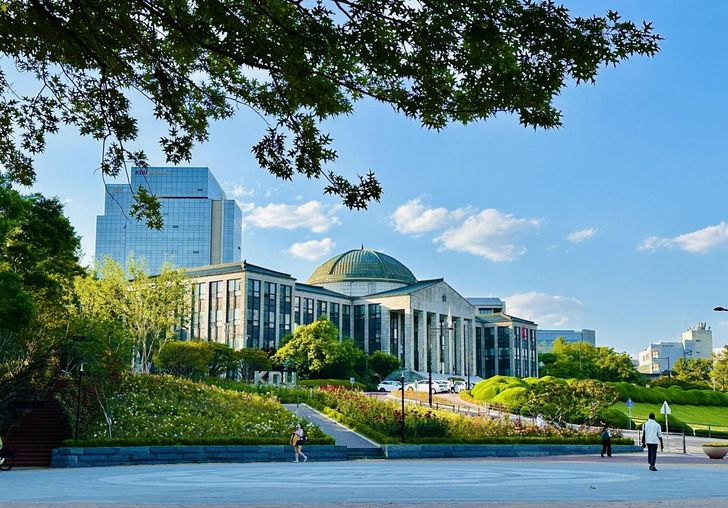
Chonnam National University – A Quiet Environment for Focused Study
For students who value calm surroundings and lower living costs, Gwangju may be worth considering. Chonnam National University combines structured language education with cultural activities and student support systems.
Its quieter environment may feel especially suitable for students who want fewer distractions and a stronger focus on studying. Some students also appreciate that regional cities can create more opportunities to practice Korean in everyday situations, since English may be used less frequently than in Seoul.
Chonnam National University may be ideal for: Students looking for a quieter and more study-focused environment, learners seeking lower living costs outside major cities, those interested in cultural immersion in a less international setting, students who prefer fewer distractions and a slower pace of life.
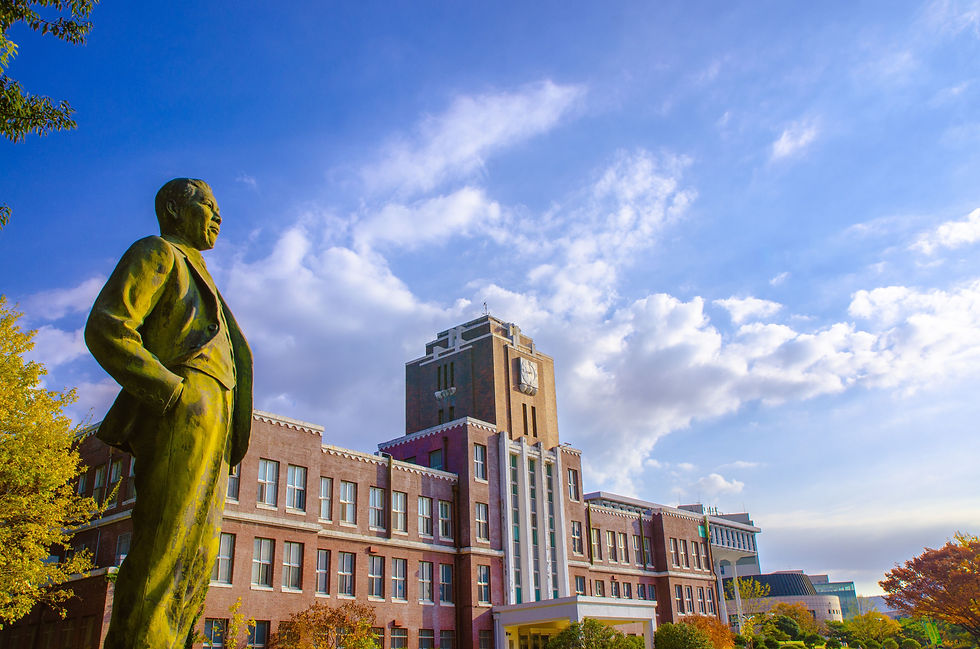
Which City Should You Choose?
Choosing a city may influence your experience almost as much as choosing a university. While all Korean university language programs follow similar structures academically, daily life can feel completely different depending on location.
Seoul – For Big-City Life, Networking and Famous Universities
Seoul remains the first choice for many international students, and for understandable reasons. The city offers access to Korea’s most famous universities, excellent public transportation, language exchange events, museums, cultural festivals, restaurants from around the world, and endless cafés for studying.

Students who want an energetic social life or dream of experiencing modern Korea at full speed often feel drawn to Seoul. However, the convenience comes with higher expenses. Housing, transportation, and entertainment can quickly become costly, especially in popular student districts. Still, for many students, the opportunities and energy outweigh the higher budget.
Busan – For a Relaxed Lifestyle by the Sea
Busan offers something very different. Although still a large city, it generally feels calmer than Seoul. Students often enjoy having access to beaches such as Haeundae and Gwangalli while still benefiting from urban conveniences. For learners who want balance between study and quality of life, Busan may feel less overwhelming.

Daegu and Gwangju – For Students on a Budget
Students planning to stay in Korea long term often pay close attention to living costs. Regional cities such as Daegu and Gwangju tend to offer more affordable rent, food, and transportation. While they may have fewer international communities compared to Seoul, some learners actually see this as a benefit, since everyday situations may encourage more Korean language use.
Daejeon – Quiet, Student-Friendly and Practical
Known as a research and education hub, Daejeon offers a quieter pace of life. For students who want fewer distractions and stronger study focus, this environment can feel ideal.
Incheon – Close Enough to Seoul Without Fully Paying Seoul Prices
Some students choose Incheon because it allows easier access to Seoul while potentially reducing housing costs. Its airport connections and transportation system also make travel particularly convenient.

How Much Does It Cost?
One of the biggest concerns for future students is cost. While studying Korean in Korea is not necessarily cheap, it can still be manageable with careful planning.
Tuition for a standard 10-week semester generally ranges between 1.5 and 1.9 million KRW depending on the university. Seoul universities often sit on the higher end, while regional universities may be slightly more affordable.
However, tuition is only one part of the equation. Students should also budget for application fees, books, accommodation, food, transportation, health insurance, mobile plans, and daily expenses.
Here is a general estimate for one semester:
Tuition: 1.5-1.9 million KRW (€950-1,200)
Application fee: 60,000-120,000 KRW (€35-70)
Books and materials: 50,000-80,000 KRW (€30-50)
Housing: 300,000-800,000 KRW (€180-500) per month depending on accommodation type
Living expenses: approximately 500,000-900,000 KRW (€300-600) per month.
Accommodation choices make a major difference. University dormitories are often the most convenient option, but spaces can be limited. Goshiwons (small furnished rooms) are popular among budget-conscious students, while one-room apartments provide more privacy at higher prices. Students living in Seoul should generally expect higher rent than those in cities such as Daegu, Busan, or Gwangju.
A helpful tip is to prepare extra savings for the first month. Setting up daily life in Korea often includes unexpected expenses such as bedding, transportation cards, deposits, SIM cards, household items, and registration fees.

Visa Requirements: What Is the D-4 Visa?
Students planning to study Korean for several months generally apply for a D-4-1 visa, commonly referred to as the language training visa.
Although requirements vary slightly depending on nationality and embassy policies, the overall process tends to be similar. After receiving admission from a university language center, students use official documents to begin their visa application.
Common requirements may include: a valid passport, official university admission letter, proof of tuition payment, visa application forms, passport-size photos, financial proof, additional embassy-specific documents. Financial proof is particularly important. Many universities mention an amount equivalent to approximately 8500 EUR to demonstrate that students can support themselves during their stay in Korea.
However, rules differ depending on country and visa circumstances. For this reason, checking directly with the Korean Embassy or Consulate remains essential. Visa processing times may also vary, meaning students should avoid leaving applications until the last minute.

Can You Work While Studying Korean?
Finances are an important concern for many students, especially those staying for multiple semesters. Fortunately, part-time work can become possible, but there are important restrictions.
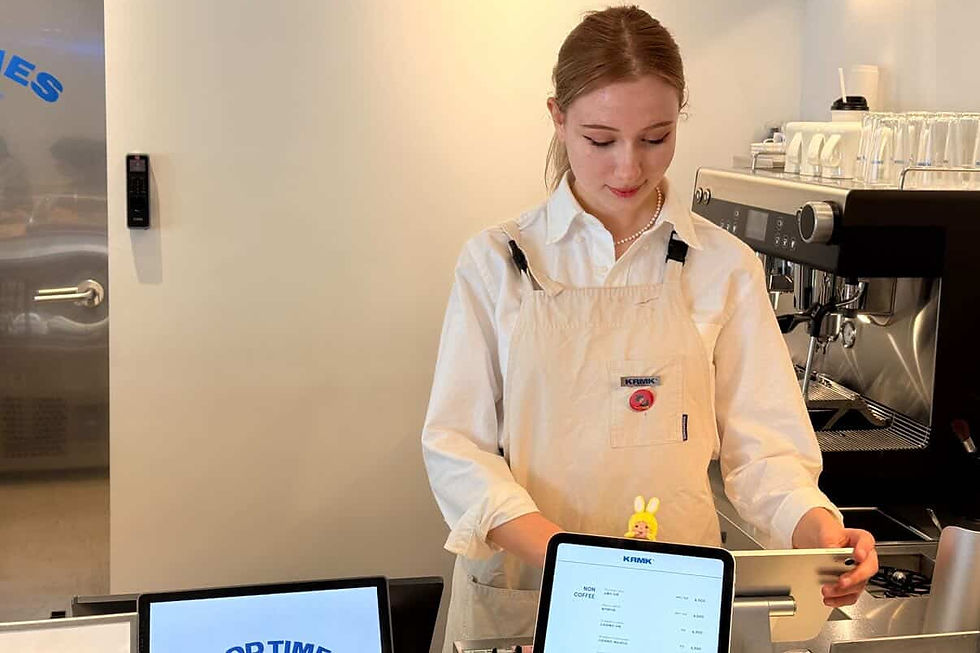
Students holding a D-4 visa are generally not allowed to work immediately upon arrival. In most situations, students become eligible only after six months of study and after obtaining official permission. Attendance and academic performance also matter. Strong attendance rates are usually required, and immigration regulations may set different work-hour limits depending on TOPIK level and student circumstances.
Many international students eventually work in cafés, restaurants, retail, tutoring, or administrative roles. Still, relying entirely on part-time work to fund studies is rarely recommended. Having savings before arriving in Korea can make the experience significantly less stressful.
Step by Step: How to Apply
Applying to a Korean university language program may initially feel overwhelming, especially for first-time international students. Fortunately, the process is usually more straightforward than expected.
Step 1: Choose Your University and Semester
Research universities carefully and decide what matters most to you: speaking practice, prestige, affordability, city lifestyle, or future degree opportunities. Then check intake dates and deadlines.
Step 2: Complete the Online Application
Most universities allow students to apply directly through their Korean language center websites.
Step 3: Prepare and Submit Documents
Although requirements vary, universities commonly request: passport copy, graduation diploma or certificate, financial documents, completed application forms, identification photos.
Step 4: Pay Fees
Students usually pay an application fee first, followed by tuition.
Step 5: Receive Admission Documents
Once accepted, the university issues official documents necessary for visa processing.
Step 6: Apply for the D-4 Visa
Students then submit their visa applications at their local Korean embassy or consulate.
Step 7: Arrange Housing and Flights
Planning accommodation early is important, especially if applying for dormitories.
Step 8: Take the Placement Test and Begin Classes
Upon arrival, students normally complete a placement exam before joining a suitable level. Even complete beginners are welcome, many students beginning their journey without prior experience.

What Can You Do After the Program?
For some students, language school is only the beginning of a much bigger journey. After completing a Korean language program, students often continue in different directions depending on their goals. Many apply to Korean universities and transition to a D-2 student visa for undergraduate or graduate studies. Others remain in language programs longer to improve fluency or achieve stronger TOPIK scores.
Students with existing university degrees may also consider exploring a D-10 visa to search for employment opportunities in Korea. And for some, the experience simply becomes a meaningful chapter of personal growth.
Living independently in a foreign country, learning to communicate in another language, navigating unfamiliar systems, and building friendships from around the world often become just as valuable as the language skills themselves.

A university Korean language program is much more than a classroom experience. For many international learners, it becomes a first real step toward understanding Korean culture, building independence abroad, and experiencing life in Korea beyond what appears on a screen.
Whether the goal is TOPIK, university admission, career development, or simply finally understanding Korean conversations without subtitles, these programs offer a structured and immersive path forward. And while adjusting to a new country can sometimes feel overwhelming, many students leave with something they did not initially expect: a stronger sense of confidence, not only in Korean, but also in themselves.


Comments