

The Meaning Behind Gift-Giving Culture in Korea


More Than Just a Gift What if the gift you choose could say more than the words “thank you” ever could? In Korea, giving a present is not always as simple as picking something you like.
The occasion, the person receiving it, the way it is wrapped, and even the number of items inside can carry a special meaning.
From birthdays and weddings to Seollal and Chuseok, Korean gift-giving is filled with traditions, symbolism, and thoughtful gestures. Some customs may seem surprising at first, but each one offers a glimpse into the importance Korea places on respect, relationships, and good wishes.
So, before choosing your next Korean gift, let’s discover what these traditions really mean.

When Do Koreans Give Gifts?
Birthdays: Birthdays are a common occasion for giving gifts in Korea. Cash in an envelope is a practical choice, especially when you are not sure what the recipient wants. Premium fruit, hanwoo (high-quality Korean beef), and beauty products are also popular options.
For something more convenient, KakaoTalk allows people to send digital gift certificates directly through the app, making it possible to send everything from food and coffee to beauty products without meeting in person.
Weddings: At Korean weddings, guests commonly give cash in an envelope, known as chugui-geum (축의금). The amount can depend on how close the guest is to the couple and the circumstances of the wedding.
At the reception, guests usually hand the envelope to a designated table, where their name and contribution may be recorded. They can then receive a meal ticket before joining the wedding reception.
Housewarmings: A Korean housewarming party is called jipdeuri (집들이). If you are invited to one, you might notice some surprisingly practical gifts.
Toilet paper is a classic choice because its ability to unroll easily is associated with the wish that everything in the new household will go smoothly. Laundry detergent has a similar meaning: its expanding foam represents growing prosperity.
Today, plants, candles, diffusers, towels, food, and other household items are also common choices.
Graduation: Graduation, or joreopsik (졸업식), is usually celebrated with flowers, photographs, and gifts from family and friends. Graduation bouquets decorated with plush characters are especially popular, while money bouquets offer a more creative way to give cash.
There is also a food tradition associated with graduation: jjajangmyeon, noodles topped with black bean sauce. In the past, eating at a Chinese restaurant was considered a special family treat, which helped make the dish part of graduation celebrations. The tradition has remained popular as a nostalgic part of the day.

Seollal:
Seollal is the Korean Lunar New Year and one of the country's most important traditional holidays. Families gather, pay respect to their elders, and take part in traditions that welcome the new year.
One of the best known customs is sebae, a formal bow made by younger family members to their elders. In return, children and younger relatives may receive sebaetdon, or New Year's money, usually placed in an envelope or bokjumeoni, a traditional fortune pouch.
Gifts are also exchanged, particularly between younger family members and their parents or grandparents. Red ginseng, honey, premium fruit, vitamins, and hanwoo are among the gifts often associated with health and well-being. Seollal gift sets containing everyday products such as cooking oil, canned food, or toiletries are also widely available.

Chuseok:
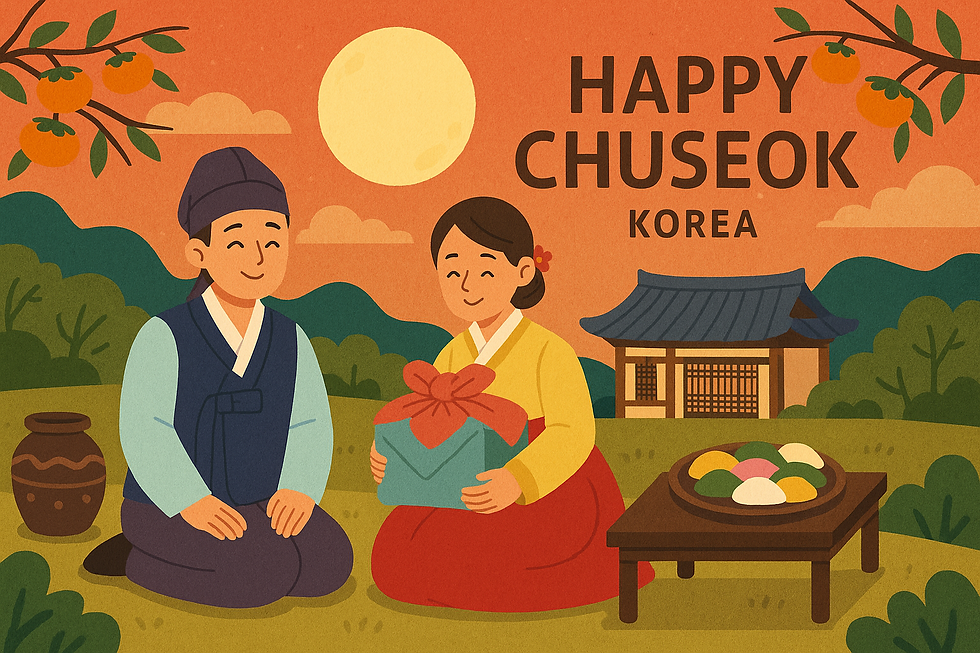
Chuseok (추석), also known as Hangawi, is a major autumn holiday centered around family, harvest, and remembrance. It falls on the 15th day of the eighth month of the lunar calendar, around the autumn full moon.
Families may perform charye, a memorial ceremony for their ancestors, and visit family graves through seongmyo. Food is an important part of the holiday, especially songpyeon, small rice cakes traditionally prepared and shared by families.
Gift-giving during Chuseok often reflects the idea of abundance. Hanwoo, premium pears and apples, pine mushrooms, and traditional sweets such as hangwa can be given to family members. For colleagues, friends, or employees, practical gift sets containing cooking oil, canned food, seaweed, or toiletries are common.
Unlike Seollal, Chuseok is not traditionally associated with giving New Year's money. Instead, the emphasis is on family, gratitude, sharing, and honoring ancestors.
Korean Gift-Giving Etiquette

Knowing what to give is only part of the process. In Korea, the way you give and receive a gift can also show respect.
Gifts are commonly offered and accepted with both hands, particularly when giving something to an older person or someone in a formal position. In some situations, the right hand is used while the left hand supports the forearm.
Gift wrapping also matters. A neatly presented gift can show that you have taken time to prepare it. Depending on the situation, the recipient may not immediately open the present, especially in a formal setting.
Traditional Beliefs to Keep in Mind
Some gift-related customs come from traditional beliefs rather than strict rules, and not everyone follows them today. Still, they are useful to know if you want to avoid an awkward cultural misunderstanding.
Knives and scissors can symbolize cutting a relationship. Some people may give a small coin in return, turning the gift symbolically into a purchase.
Shoes are linked to an old superstition that giving them to a partner could encourage them to leave.
The number four can be avoided because sa sounds similar to the Korean word associated with death. Seven, meanwhile, is traditionally considered lucky.
Red ink has traditionally been associated with writing the names of deceased people, so it is generally avoided when writing the name of someone living.
Handkerchiefs may be avoided as gifts because they can be associated with tears and sadness.
These are cultural beliefs rather than universal rules, but knowing about them can be useful when choosing a gift.
The Meaning Behind the Gift
A Korean gift does not have to be expensive to be meaningful. Often, the most important part is whether it suits the person receiving it.
A small present chosen around someone's interests can show that you remember what they like, while a practical gift can show that you have considered what they actually need. In family relationships, gifts can also become connected to traditions, memories, and important moments shared together.
This is why the thought behind a present can matter more than its price. An expensive gift chosen without consideration may feel less personal than something simple but carefully chosen.
Korean gift-giving is full of small details that reveal how much importance is placed on relationships, respect, and thoughtfulness. From sebaetdon during Seollal to practical housewarming gifts and Chuseok gift sets, each tradition has its own story.
So, if you ever find yourself choosing a gift in Korea, remember: it is not just what you give, but the meaning behind it that counts.

Comments